#37. Spaces For Coffee Enthusiasts → Strategy Used by Starbucks Reserve®
Listen to the customer retention strategy used by Starbucks Reserve®.
Founders. You’ve probably heard of Starbucks Reserve, the premium coffee brand founded by Starbucks in the United States in 2010.
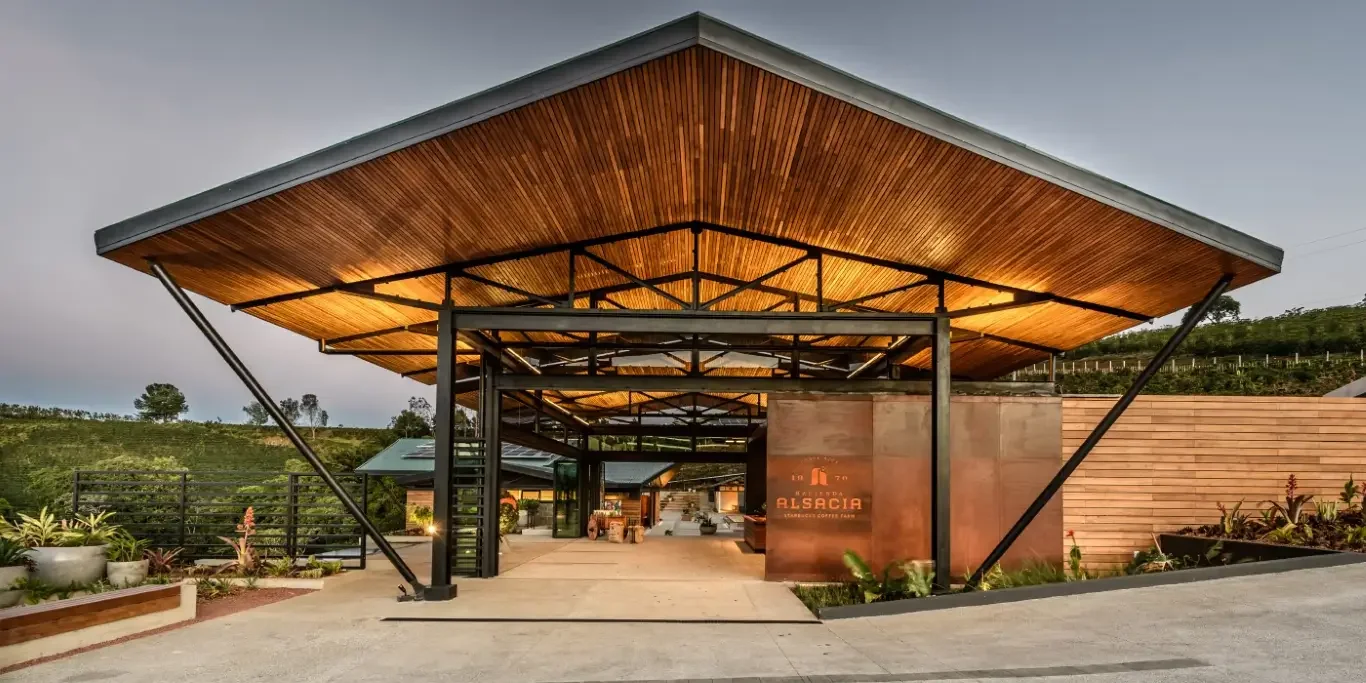
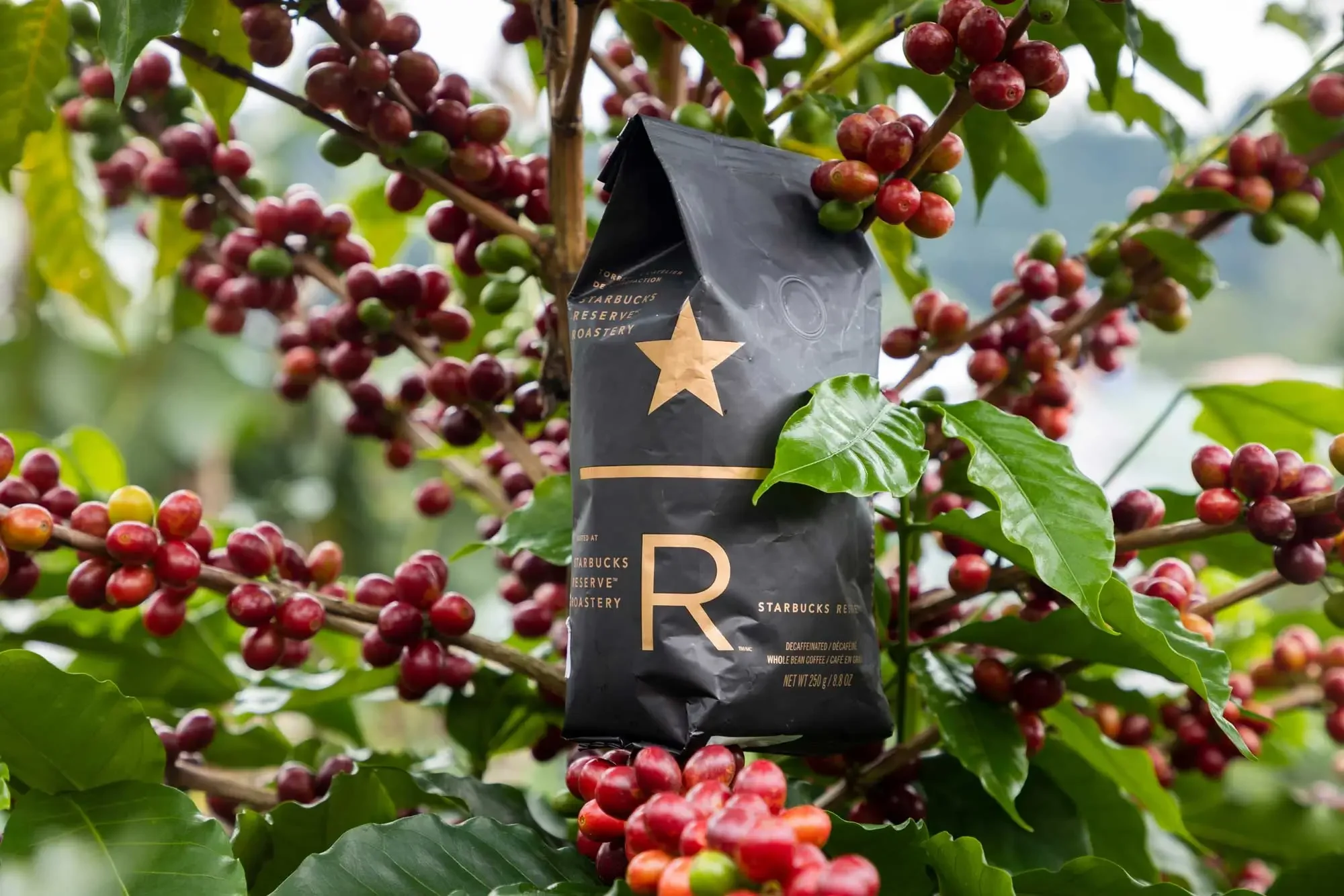
Listen to host André Brathwaite share the backstory of its transformative CEO, Howard Schultz, who turned his passion into a lasting brand that uses a customer retention strategy: Hobby-driven experiences, including locations (Starbucks Reserve Roasteries in multiple cities and Hacienda Alsacia Coffee Farm in Costa Rica), and activities (Starbucks Reserve Signature Experiences).
The opinions expressed are solely those of Forms of Recreation and do not necessarily reflect the views of any brand mentioned. We encourage you to check their corresponding websites for further information.
-
Episode 37
Coffee Tasting → Strategy Used by Starbucks Reserve®
____
Most coffee brands compete on convenience.
Faster service.
Lower prices.
Starbucks took a different path with Starbucks Reserve.
They taught people how to taste.
Instead of treating coffee as a quick caffeine fix,
they turned it into a sensory practice.
Something you learn from.
Something you enjoy being with.
Something worth spending time with.
Because if coffee is just fuel,
customers switch brands easily.
But if coffee becomes a hobby—
a ritual—
an identity—
people start paying attention to what they’re drinking.
And once someone learns how to taste coffee,
they don’t go back to drinking it unconsciously.
That decision didn’t just sell beverages.
It built customer retention.
____
Picture an afternoon at a café.
Freshly brewed coffee is poured into a cup
You hold the warm cup in your hands.
Before you take the first sip,
pause.
Notice the aroma.
Chocolate.
Smoke.
Maybe even honey.
Now take a small sip.
Let it sit for a moment.
Coffee tasting asks something from you.
As you begin noticing differences.
A bright Ethiopian.
A heavy Sumatran.
A smooth Costa Rican.
The roast changes things.
The grind changes things.
And let's not get started on the brewing method.
Suddenly, coffee isn’t just coffee.
It’s geography.
Agriculture.
Craftsmanship.
Once you start tasting coffee this way,
you don’t just drink it anymore.
You refine your palate.
And that belief—
that coffee tasting can be a hobby—
is what helped Starbucks build its premium brand: Starbucks Reserve.
____
Howard Schultz was born in 1953 in Brooklyn, New York.
He didn’t grow up in the coffee business.
His father? A truck driver and factory worker.
His mother? A receptionist.
No financial safety net.
No family business waiting for him.
He became the first in his family to attend and graduate from college
Eventually, he joined Starbucks in 1982
as director of marketing and retail operations.
At the time, Starbucks was a small Seattle company
selling roasted coffee beans and equipment.
No drinks for sale.
No lattes to sip on.
Just beans.
Everything changed during a trip to Italy in 1983.
Walking through Milan,
Schultz noticed something unusual.
Cafés weren’t just places to buy coffee.
They were social rituals.
Some people sat at the bar.
Talked with the barista.
Discussed flavor.
Others sat for hours chatting with colleagues, friends, or family members who also had an appreciation for coffee.
Coffee wasn’t rushed.
It was enjoyed.
Schultz saw something bigger than a product.
He saw a culture.
When he returned to Seattle,
he proposed transforming Starbucks
into a café experience inspired by Italian espresso bars.
The founders resisted.
So Schultz left
and started his own company called Il Giornale.
In 1987, he purchased Starbucks
and merged the two concepts.
Over time, Starbucks expanded globally.
But Schultz kept returning to one idea:
Coffee deserved to be taken seriously.
Years later, that belief led to the creation of
Starbucks Reserve—
a place designed to elevate coffee tasting
from habit to hobby.
____
Most beverage brands think premium means
charging more for the same drink.
Starbucks Reserve does something different.
It creates environments
where people can practice tasting coffee.
Start with the
Starbucks Reserve Roastery locations.
These aren’t typical cafés.
They’re immersive and aesthetically beautiful coffee spaces.
Roasting machines run in full view.
Beans arrive from small farms around the world.
Multiple brewing methods are available.
Pour-over.
Siphon.
Chemex.
Cold brew towers.
Customers don’t just order coffee.
They watch it being roasted, ground, and brewed.
Then there’s
Hacienda Alsacia.
Starbucks very own working coffee farm and research center in Costa Rica.
Here, visitors see coffee at its source.
Fields of coffee cherries.
Processing stations.
Research experiments studying climate impact on crops.
Guests walk through the entire journey
from plant
to roast
to cup.
And then there are
Starbucks Reserve Signature Experiences.
Guided tastings.
Brewing workshops.
And Coffee pairing sessions.
These experiences do something powerful:
They train the customer.
You don’t just buy coffee.
You learn how to taste it.
And once someone learns to recognize flavor notes,
a return loop forms:
Learn how to taste coffee.
Experience a remarkable cup.
Associate that moment with the place you discovered it.
Return to refine your palate.
That’s the difference between selling beverages
and cultivating coffee enthusiasts.
CLOSING VERDICT — FORCE THE CHOICE (1–2 minutes)
Here’s the choice Starbucks made
that most coffee brands avoid.
They invested in teaching customers
how to care about coffee.
They built farms.
Roasteries.
Workshops.
Most coffee companies compete on price or speed.
Starbucks competes on appreciation.
And once someone begins exploring coffee as a craft—
as geography,
as flavor,
as ritual—
they protect that identity.
You can compete on convenience.
Or you can cultivate taste.
One creates transactions.
The other creates loyalty.
OUTRO LINE (CONSISTENT ACROSS EPISODES)
If customers disappear when points expire,
it was never loyalty.
Give customers a reason to return:
hobby-driven experiences that make them feel alive.
Explore more
Globally admired brands are extending beyond the products they make. We at Forms of Recreation help discover handpicked spaces designed for refined hobbyists like you.