#43. Spaces For Wine Enthusiasts → Strategy Used by Concha y Toro®
Listen to the customer retention strategy used by Concha y Toro®.
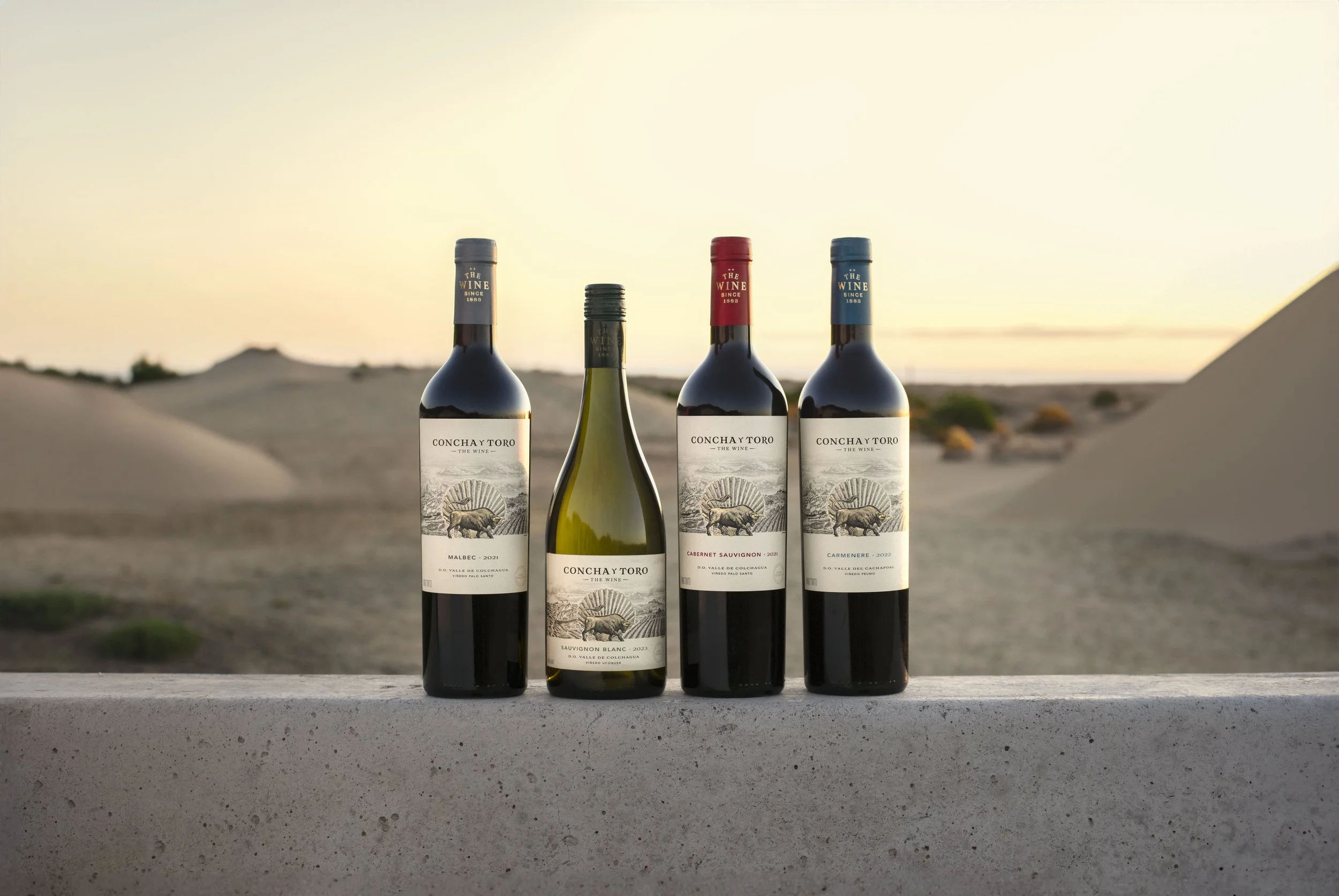
Are you part of a marketing team? You’ve probably heard of Concha y Toro, the wine producer founded in Chile in 1883.
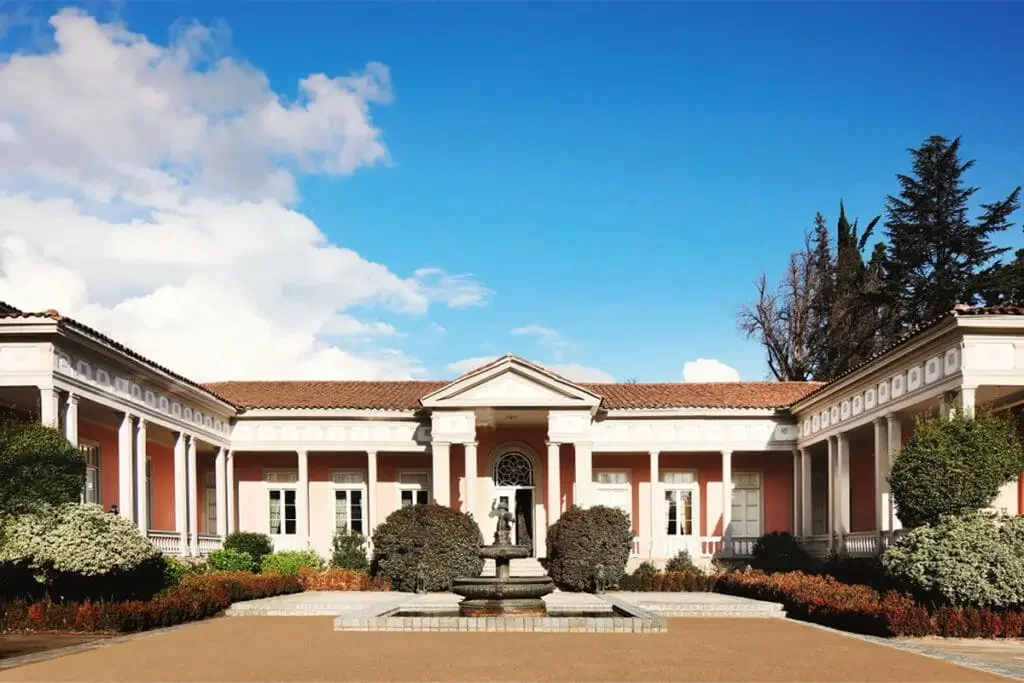
Listen to host André Brathwaite share the backstory of how founder Melchor de Santiago Concha y Toro turned his passion into a lasting brand that uses a customer retention strategy: Hobby-driven experiences, including a location (Centro de Vino and Casa Don Melchor in Maipo Valley, Chile) and activities (tours, wine tastings, and pairings).
The opinions expressed are solely those of Forms of Recreation and do not necessarily reflect the views of any brand mentioned. We encourage you to check their corresponding websites for further information.
-
Episode 43
Experiences For Wine Enthusiasts → Strategy Used by Concha y Toro®
____
Most wine brands compete on prestige.
Awards.
Scores.
Heritage.Concha y Toro took a different path.
They didn’t just sell wine.
They taught people how to taste them.
They built places where customers return
not just to drink—
but to compare,
to evaluate,
to become versed.That decision didn’t just increase customer retention.
It built confidence.
Because if wine is just something you consume,
you switch based on price.But if tasting becomes a skill set—
You return to get better.
____
Picture a cool, dimly lit cellar
You are joined by like-minded people who are also into wine.
A tall, long wooden table stands in front of you.
A row of glasses.
Same shape.
Different pours.You don’t drink yet.
You observe.
Color first.
Hold the glass up.
Look at the edge.
Is it deep?
Light?
Transparent?Then you swirl.
Slowly.
You’re not showing off.
You’re releasing aroma.
Then you pause.
And smell.
Not once.
Twice.
Three times.
Each time reveals something different.
Fruit.
Earth.
Wood.Then you taste.
Small sip.
Hold it.
Let it move across the tongue.
You’re not asking,
“Do I like this?”You’re asking,
“What is this?”Wine tasting isn’t consumption.
It’s interpretation.
And once you learn this,
you don’t go back
to drinking for the sake of drinking.You want to go deeper.
That belief—
that wine tasting is an intentional practice,not just consuming a beverage with a percentage—
is exactly how Concha y Toro was built.
____
Melchor de Santiago Concha y Toro
was born in Santiago, Chile, in 1833,
and later became a politician and businessman.
He made a decision that changed the country’s wine industry forever.
Melchor and his wife Emiliana became wine producers.
He brought grape varietals from Bordeaux, France, to Chile.
Cabernet Sauvignon.
Merlot.And also brought a French winemaker
to help replicate European methods.Because at the time,
Chile wasn’t known for fine wine.
He got started in the Maipo Valley
And began producing wines
with structure,
balance,
and consistency.But here’s where the masterclass in branding comes in.
Melchor didn’t just build production.
He built a narrative that people could follow.
While earning a reputation for crafting Chile’s finest wines,
thieves were frequently stealing bottles from his cellar.
Given Chilean’s belief in superstitions,
he spread a rumor,
to protect his best wines from theft:
that the devil himself haunted the cellar.
That story became known as
El Casillero del Diablo,
making his cellar untouchable.
Since the 19th century up to today,
the “devil’s cellar” has survived multiple earthquakes
without suffering a crack.
Perhaps it is the devil’s preferred wine.
Which tells you something important.
From the beginning,
this wasn’t just about great wine.
It was about the storytelling and the experience that comes with it.
That foundation made the next move inevitable.
STRATEGIC EXTRACTION — PLACES, EXPERIENCES & THE RETURN LOOP (3 minutes)
Here’s what most wine brands get wrong:
They assume taste is fixed.
Concha y Toro believes taste can be trained.
So they built for it.
First: the Centro del Vino in Maipo Valley.
Not just a space to walk through.
A learning environment.
Curated spaces designed to explain terroir,
process,
and variation.Then there’s Casa Don Melchor.
Melchor’s summer house and 54-acre botanical park.
Where customers can have a more intimate wine experience.
High-touch.
they compare vintages.
Break down structure.
Understand nuance.
And then the activities:
Guided tastings.
Food pairings.
Vineyard tours.
You don’t just hear about wine.
You practice it.
This creates a loop:
You learn how to taste.
You experience differences.
You build preference.
You return to refine it.
Most alcohol brands hope for habit.
Concha y Toro builds a skill set.
And skill changes behavior.
Because once someone develops a palate,
poor execution feels obvious.
Random choice feels lazy.
They don’t just want wine.
They want alignment with their identity.
That’s customer retention.
____
Ok, let's get to the decision Concha y Toro made
that most wine brands avoid.They chose to educate the customer—
even if it made the product harder to sell.
They chose hobby-driven experiences over quick sales.
They introduced complexity.
They made tasting intentional.
Most brands chase accessibility.
Concha y Toro goes further by delivering understanding.
Build environments for people who feel like outsiders.
and connect them with others who share similar feelings,
so they can all become insiders.
This sense of belonging keeps them anchored.
You can discount bottles.
Or you can build environments.
One creates one-time transactions.
The other creates repeat customers.
____
If loyalty disappears when the bottle is empty,
it was never loyalty.Give customers a reason to return:
hobby-driven experiences that make people feel alive.
Explore more
Globally admired brands are extending beyond the products they make. We at Forms of Recreation help discover handpicked spaces designed for refined hobbyists like you.