#42. Spaces For Tea Lovers → Strategy Used by Osulloc®
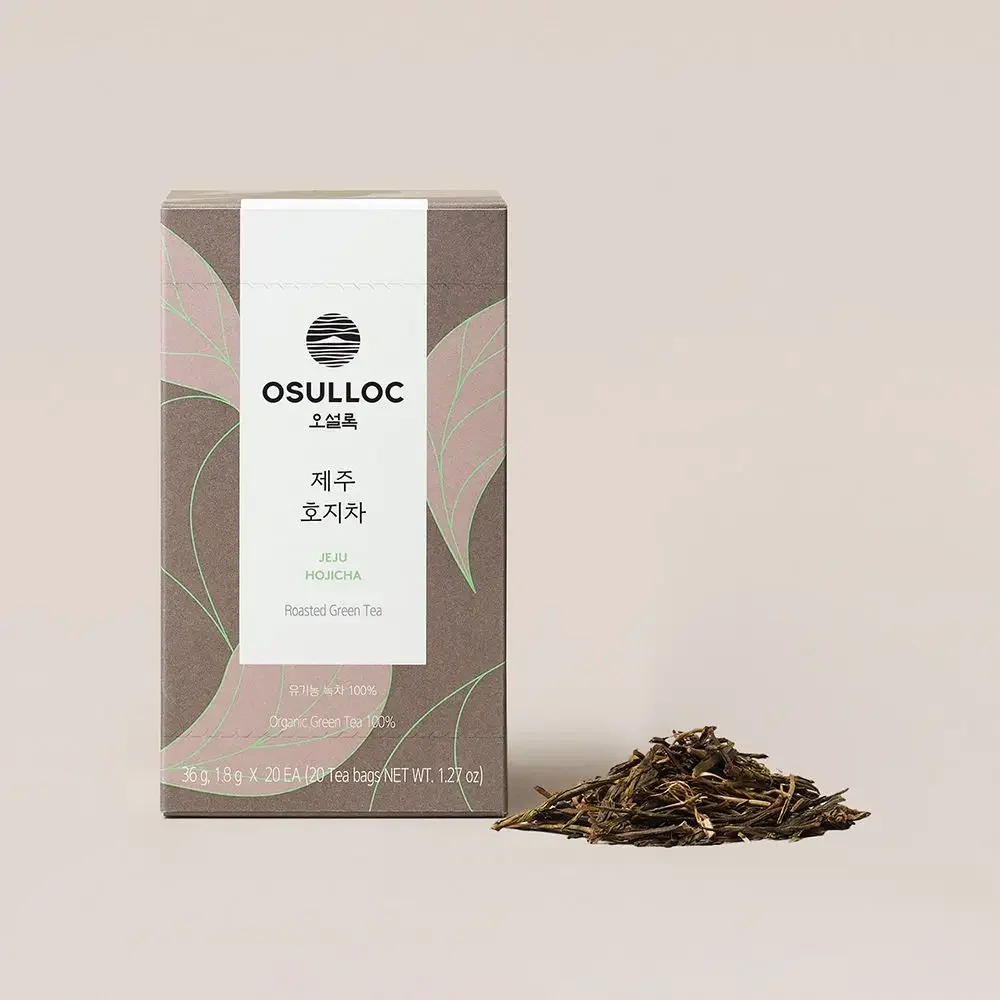
Listen to the customer retention strategy used by Osulloc®.
You’ve probably heard of Osulloc, the Korean tea producer founded in South Korea in 1979.
Listen to host André Brathwaite share the backstory of how founder Suh Sung-whan turned his passion into a lasting brand that uses a customer retention strategy: Hobby-driven experiences, including locations (Osulloc Tea Houses in multiple cities) and activities (tours and tea brewing classes at Osulloc Tea Museum and Factory).
The opinions expressed are solely those of Forms of Recreation and do not necessarily reflect the views of any brand mentioned. We encourage you to check their corresponding websites for further information.
-
Episode 42
Experiences For Tea Lovers → Strategy Used by Osulloc®
____
Most brands compete on quick trends.
Tea blends.
Packaging.Osulloc took a different path.
They rebuilt a tea culture.
Instead of treating tea as a drink,
they treated Korean tea brewing as a lost art—
something you wish to conserve
because it respects heritage.They didn’t push volume.
They revived a tradition.
And that decision didn’t just sell tea.
It built retention.
Because if tea is just a beverage,
customers switch brands easily.But if tea becomes part of an act to revive a tradition—
they return to preserve it.
____
Picture yourself walking up to a low wooden table.
No shoes allowed.
The kettle warms slowly.
You prepare the teaware.
Everything in its place.
This is not about aesthetics.
It’s about respect.
In Korean tea culture,
There is tea etiquette.But etiquette isn’t the point here.
Tradition is.
You add the tea leaves.
You pour the water.
Then you let it steep.
No extra steps.
No unnecessary movement.Just timing.
You observe color.
Clarity.
Subtle changes.
Then you taste.
Light.
Clean.
Balanced.There’s no multitasking here.
No scrolling.
No background noise.
Korean tea doesn’t care about trends.
It rewards cultural sensitivity.
And that’s what makes it different.
And once you experience tea this way,
you don’t go back
to drinking it casually.You come back—
to get it right.
That belief—
that tea brewing is a quiet art,
not a quick drink—is exactly what Osulloc restored.
____
Suh Sung-Whan was born in a small town in Korea in 1924.
As a boy, he helped his mother, a self-made merchant,
to hand-press camellia oil and other medicinal herbs.
After school, a young Suh became responsible
for sourcing his mother's raw ingredients.
He would travel an 88-mile round-trip bicycle ride
To not only find but also carry back the best ingredients for his mom.
His early involvement in sourcing natural ingredients
gave him a deep respect for heritage
and a "quality-first" philosophy that defined his career.
In 1945, he founded a Korean beauty and cosmetics brand
that flourished, Amorepacific, but was troubled
by what was happening in his country.
Korea’s traditional tea culture.
It had faded.
Replaced by imported drinks.
By convenience.
By instant coffee.And that bothered him.
Because as Suh saw it:
Every country has its own tea culture.
His no longer had one.
So in 1979, while still leading Amorepacific,
he made a decision that looked… irrational.He bought land in Jeju Island, off the southern coast of South Korea.
Was the land fertile? No.
It was considered wasteland.
Rock.
Bedrock.
No roads.
No water supply.Locals had a name for it:
“Meolwat.”
A place no one believed could be farmed.
People mocked him.
Imagine the headline:
A successful cosmetics businessman
buying a field of stones
that couldn’t produce anything.But Suh wasn’t chasing profit.
He was chasing restoration.
A cultural project.
And kept repeating the following words:
There is no value
in doing what anyone can do.So he started where no one would.
He went to the fields himself.
Rubber boots.
Picking out stones by hand.
Month after month.
Working alongside staff.
Eating simple meals.
Rebuilding from zero.
In 1980,
the first product launched.The response?
Cold.
The market didn’t care.
Tea felt outdated.
Coffee had already won.
And this is where most businesses stop.
He didn’t.
For over 40 years,
Osulloc operated at a loss.
Not quarters. Decades.
Years of planting
before harvesting.Tea trees take time.
They are sensitive.
Expensive to maintain.
Unpredictable.
And still—
investment continued.
Because this was never
just a product business.It was a cultural mission.
To restore tea in Korea.
Over time,
those stone fields in Jejubecame tea gardens.
Then a destination.
And in 2020,
after decades of losses,
Osulloc finally turned
a meaningful profit.Not because the product changed.
Because the culture returned.
What started as unwanted land
became a case study:
If you build consistently,
and stay long enough,
people come back to preserve it.
____
Here’s what most brands miss.
If tea brewing is the hobby,
you need environments
that support the ritual.Osulloc built them.
Lets start with their Tea Houses
These aren’t grab-and-go cafés.
You feel welcomed.
Some offer tea tastings.
Others offer food pairings.Preparation becomes visible.
Not a place to rush. A place to linger with others.
Then there’s the
Osulloc Tea MuseumLocated on Jeju Island.
Not a retail space.
A learning environment.
You see the fields.
The processing.
The history behind a brand built on unwanted land.This is where you understand
what you’re drinking.And then,
Tea Stone.Guided education.
Tea brewing classes.Hands-on.
You don’t watch tea being made.
You make it.
This is where the strategy locks in.
Osulloc doesn’t rely on habit.
Habit is passive.
They rely on practice.
Practice creates skill.
Skill creates attachment.
Attachment creates return.
The loop is simple:
Learn how to brew.
Experience better taste.
Understand why it improved.
Return to refine.
Most tea brands sell leaves.
Osulloc shares how one can practice Korean tea culture.
____
Here’s the choice Osulloc made
that most brands avoid.They chose to rebuild behavior.
Not just to sell product.
They accepted
that education takes time.It can’t be rushed.
Most brands optimize for convenience.
Osulloc realized the importance of intention.
And once someone learns
how to brew properly,they don’t switch easily.
Because people don’t return to trendy drinks.
They return to identities.
You can sell flavor.
Or you can cultivate practice.
One creates transactions.
The other creates customer retention.
OUTRO LINE (CONSISTENT ACROSS EPISODES)
If loyalty disappears when the tea gets cold,
it was never loyalty.Give customers a reason to return:
hobby-driven experiences that make people feel alive.
Explore more
Globally admired brands are extending beyond the products they make. We at Forms of Recreation help discover handpicked spaces designed for refined hobbyists like you.