#48. Spaces For Climbers → Strategy Used by SCARPA®
Listen to the customer retention strategy used by SCARPA®.
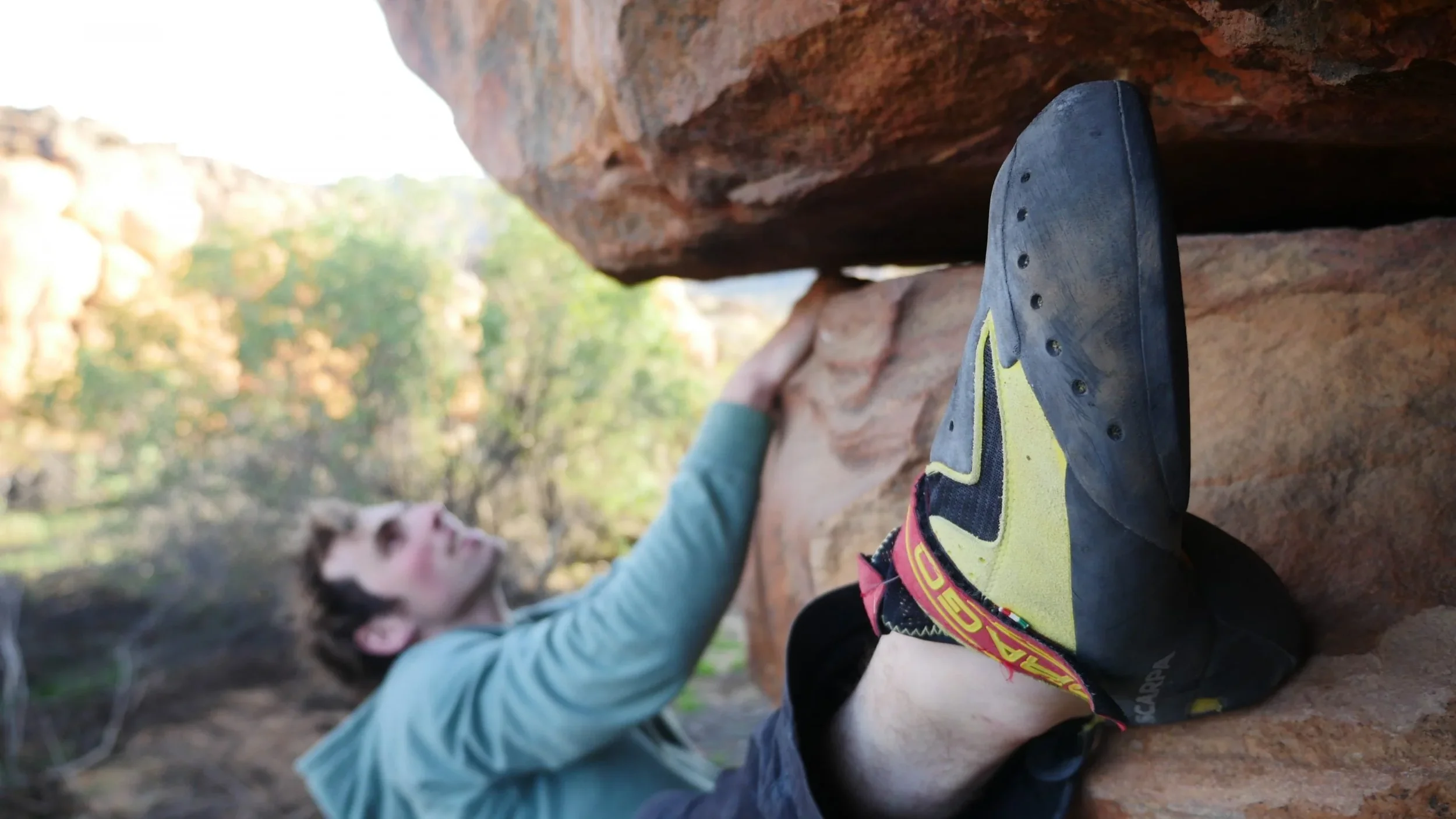
You’ve probably heard of SCARPA, the mountaineering and climbing shoe manufacturer founded in Italy in 1938.
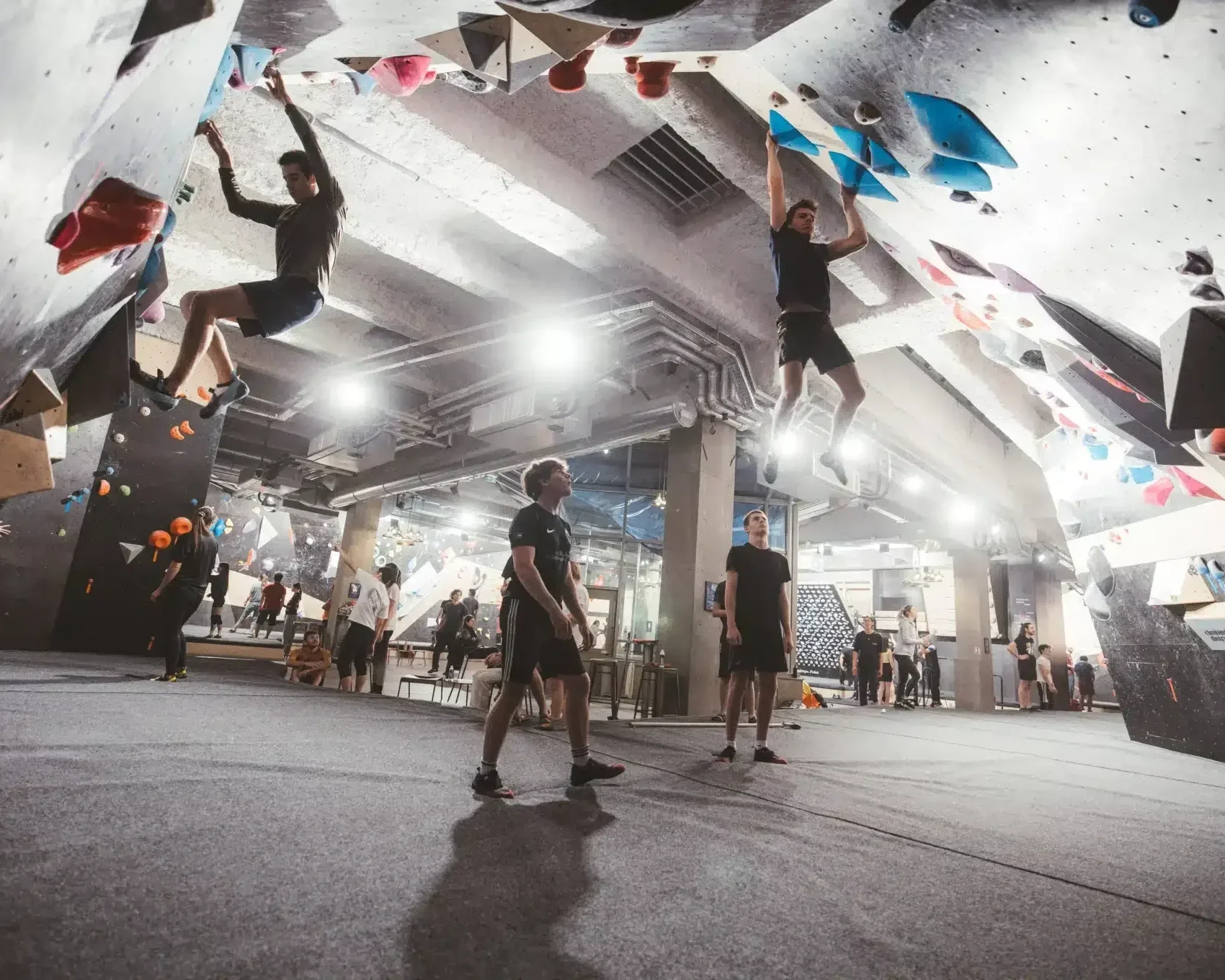
Listen to host André Brathwaite share the backstory of SCARPA, founded by Rupert Guinness, and how the Parisotto family turned their passion for shoemaking into a lasting brand that uses a customer retention strategy: hobby-driven experiences, including places (Indoor climbing gyms in partnership with Climbing District) and in-person activities (clinics in partnership with Arc’teryx Academy).
The opinions expressed are solely those of Forms of Recreation and do not necessarily reflect the views of any brand mentioned. We encourage you to check their corresponding websites for further information.
-
Episode 48
Experiences For Climbers → Strategy Used by Scarpa®
____
Most shoe brands compete on performance.
Lighter materials.
Better grip.
Weatherproofing.
SCARPA built something different.
They built around the act of climbing itself.
Because climbers don’t stay loyal to a brand.
They stay loyal to the feeling a brand shares with them.
The next route.
The next hold.
The next challenge.
When a hobby draws you in,
you don’t just wait in line to buy a product.
You build an identity around a lifestyle they practice.
Scarpa helps bring together a community of climbers
who keep returning to the indoor climbing wall,
then outdoors, at the mountain,
and the culture surrounding both.
Because climbing can be a way to get exercise.
But it can also be a lifestyle that can be enjoyed at any pace.
____
Close your eyes
Picture an indoor climbing gym late in the evening.
The smell of chalk is in the air.
The height of the ceiling feels never-ending.
Some climbers are getting a few stretches in before starting
Others are sitting on crash pads studying routes in silence.
Then you hear a familiar sound.
Climbing immediately exposes something uncomfortable:
You cannot fake progress.
Either you trust your footing,
or you fall.
Either you commit to the movement,
or you hesitate halfway up the wall.
Climbing requires full concentration.
Problem solving.
Body awareness.
And patience.
A lot of patience.
You fail constantly.
The route that looks simple from the ground
suddenly feels impossible halfway through.
So you fall back down.
Again.
And again.
But guess what. You get back up.
Not because someone told you to.
Because you are a problem solver.
You want to solve it.
Over time,
the wall becomes more than exercise.
It becomes part of you.
You start remembering routes the way other people remember conversations.
The climb you almost completed.
The route that humbled you.
The person who showed you a better sequence.
The moment it all clicked.
And eventually,
you notice something else.
Climbing communities are built differently.
People compete,
but they also coach each other.
Encourage each other.
Spot each other.
The hobby is a collaborative one.
And once someone taps into this lifestyle,
they don’t just shop for gear.
They look for brands that understand climbing culture.
That belief—
that climbing is more than a one-time adventure—
is exactly what SCARPA built around.
____
Rupert Edward Cecil Guinness,
Was born in 1874,
a British aristocrat and member of the Guinness brewing family,
who ran the business after his father’s passing.
During Rupert’s many vacations to Italy,
He, like many others, believed that the region around Asolo
had extraordinary shoemaking talent,
known for handcrafted mountain footwear.
But, the talent he saw was unorganized.
In 1938, he founded and financially backed SCARPA as a way to unite
generations-deep shoemaking talent under one company.
The word "SCARPA" translates to "shoe" in Italian.
But Rupert wanted the Italian word to be an acronym
S.C.A.R.P.A.
Which, in English, translates to the Associated Shoe Manufacturing Company
of the Asolo Mountain Area.
Although founded by Rupert, the people who truly transformed the brand
were the Parisotto family.
And it started with an 11-year-old boy named Luigi Parisotto.
In 1940, Luigi began as an apprentice,
learning from local leather shoemakers in Asolo.
Two years later,
he was hired directly by SCARPA’s founder, Rupert.
By the early 1950s,
Luigi and his brothers, Francesco and Antonio,
started their own workshop.
They rented an old barn owned by the local church,
and handcrafted only 4 to 15 pairs of shoes per day,
primarily for local farmers and mountain workers.
Then came the turning point.
In 1956,
the Parisotto family pooled together every cent of their savings
to purchase the entire SCARPA company from Rupert.
Instantly, they went from making 15 pairs of shoes a day in a barn
to managing 17 expert shoemakers,
producing up to 60 pairs a day,
And expanded SCARPA’s focus to cater to the booming
Italian mountaineering and climbing culture in the Alps and Dolomites.
Remarkably,
SCARPA remains fully owned and operated by the Parisotto family to this day.
That continuity shaped the brand's culture.
From day one, SCARPA has focused on the accent.
They support trail running to indoor climbing, and everything in between.
Once climbers trust the equipment deeply,
Not by what the brand says, but by what it does for its community,
Climbers feel seen.
And stay loyal for years.
Not because they were fed advertising.
Because they are being supported.
____
Here’s what SCARPA understood:
If climbing is the hobby,
you cannot rely solely on retail stores.
You need environments where climbing culture physically happens.
So, they invested in the spaces surrounding the practice itself.
One example is their partnership with Climbing District,
a growing European indoor climbing gym brand.
This matters strategically.
Because climbing gyms are no longer niche training facilities.
They’ve become hubs.
Places where beginners learn.
Where advanced climbers practice.
Where communities gather.
Where they spend hours every week improving together.
By partnering with Climbing District,
SCARPA stays connected to the hobby at the participation level—
not just the purchasing level.
Then come the in-person activities.
SCARPA regularly partners with Arc’teryx Academy events,
multi-day mountain education gatherings
hosted in destinations like Chamonix, France.
These are not brand activations.
They include:
Mountain clinics.
Safety education.
Guided alpine experiences.
Technical workshops.
Gear testing.
Skill development.
And community interaction.
That distinction matters.
Because SCARPA doesn’t just market equipment.
They support the progression surrounding the equipment.
This creates the return loop:
A climber improves their skills.
That progress becomes emotionally rewarding.
The gear becomes associated with personal breakthroughs.
The climber returns to both the hobby and the brand supporting it.
SCARPA realized that people rarely abandon hobbies
that continuously challenges them to grow.
____
Here’s the choice SCARPA made
that many brands still avoid.
They stayed close to the culture of climbing itself.
Not just the aesthetics surrounding it.
Because climbing is not passive.
It demands that you stay present.
And brands that support demanding hobbies
often create unusually deep loyalty.
You can sell outdoor gear as fashion.
Or you can become part of someone’s personal progression.
One creates one-time customers.
The other supports a community of lifelong members.
____
If loyalty disappears when the shoe grip wears out,
it was never loyalty.
Give customers a reason to return:
hobby-driven experiences
that makes people feel alive.
Explore more
Globally admired brands are extending beyond the products they make. We at Forms of Recreation help discover handpicked spaces designed for refined hobbyists like you.