Experiences For Weight Lifters → Strategy Used by Gymshark®
Listen to the customer retention strategy used by Gymshark®.
Are you part of a marketing team? You’ve probably heard of Gymshark, the fitness apparel brand founded in England in 2012. Listen to host André Brathwaite share the backstory of how founder Ben Francis turned his passion into a lasting brand that uses a customer retention strategy: hobby-driven experiences, including places (Gymshark Stores and Gymshark Lifting Club), and activities (Gymshark Lift Events and Gymshark Activities).
Listening to this episode is just one of the many ways we at Forms of Recreation provide marketing teams with the strategy to turn one-time buyers into repeat customers.
The opinions expressed are solely those of Forms of Recreation and do not necessarily reflect the views of any brand mentioned. We encourage you to check their corresponding websites for further information.
-
Episode 46
Experiences For Weight Lifters → Strategy Used by Gymshark®
____
Most fitness apparel brands compete on technical gear.
Sweat-wicking fabric.
Compression.
Breathable clothing.Gymshark built something different.
They built participation.
They didn’t just sell clothes for workouts and conditioning.
They built environments for people who identify with lifting.Because if clothes are only functional,
customers leave as technology used by others improves.But if lifting is part of a person’s identity
People return to the brand
that helped reinforce it.That decision didn’t just create hype.
It created customer retention.
OPENING REFLECTION — HOBBY AS RECREATION (2 minutes)
Close your eyes and imagine this.
You are walking into a gym before sunrise.
Weights are already racked.
The air is cold.And, strangely, you hear music you are into.
Then, you hear a clink.
Someone is lifting before you.
Not because they have to be there.
Because they want to be there.Lifting looks repetitive from the outside.
Same movements.
Same exercises.
Same room.But the people who are into it know better.
Every session is slightly different.
Grip.
Breathing.
Form.Progress becomes measurable in tiny increments.
One more rep.
Five more pounds.
Breathe in. Breathe out.And slowly, the gym stops being a place you visit.
It becomes part of your identity.
You start recognizing other people who live the same way.
The early morning regulars.
The notebook carriers.
The people filming deadlifts for technique, not attention.Lifting rewards repetition.
Once someone begins participating,
they stop looking for motivation.And start looking for community.
That belief—
that lifting is a discipline, not just a one-time sweat session—
is exactly how Gymshark was built.____
Ben Francis was born in England in 1992.
As a teenager, he became deeply interested in bodybuilding culture, gym training, and online fitness communities during the early rise of fitness creators who documented their progress and transformation on social media.
Ben worked odd jobs while studying at university, including delivering pizzas for Pizza Hut.
Outside of the gym, he was teaching himself how to code to build websites and apps.
Gymshark officially launched in 2012 when Ben was only 19 years old.
At first, Gymshark sold fitness supplements.
But Ben noticed something important.
People weren’t only buying gym clothing because they wanted gym clothing.
They were buying symbols connected to progress.
Belonging.
Discipline.
Transformation.Unable to find gym clothes that fit his aesthetic, he purchased a sewing machine and screen printer with his savings and taught himself to sew clothes in his parents' garage, with the guidance of his grandmother, who was a curtain maker.
Ben and his friends would train during the day, pack orders at night, and answer customer messages themselves.
And unlike traditional sportswear brands that relied heavily on professional athletes, Gymshark leaned into creators and everyday gym culture.
Fitness YouTubers.
Bodybuilders.
Strength athletes.
Online lifting communities.People documenting the process in real time.
Take note,
When people organize their lives around a hobby,
the product is no longer just something they use or wear.For Gymshark, clothing became a way for people to signal their participation in lifting culture.
____
Gymshark understood something many apparel brands miss:
If lifting is the hobby,
you need environments where people can practice it together.So they built it.
First: Gymshark events.
Pop-ups.
Meet-ups
Training sessions.
Creator-led workouts.These events aren’t built around product transactions.
Instead, people train together.
Spot each other.
Learn technique.
Meet creators they’ve followed online for years.One example: Gymshark Lift Events.
Large-scale fitness events bringing together lifting, creators, training sessions, challenges, and community interaction.
Gymshark also understood something important about modern fitness culture:
Not everyone enters through hardcore bodybuilding.
Some people enter through social lifting.
Some through strength training.
Some through transformation goals.They keep creating multiple entry points into the same hobby, as a host, not a sponsor.
Then came Stores.
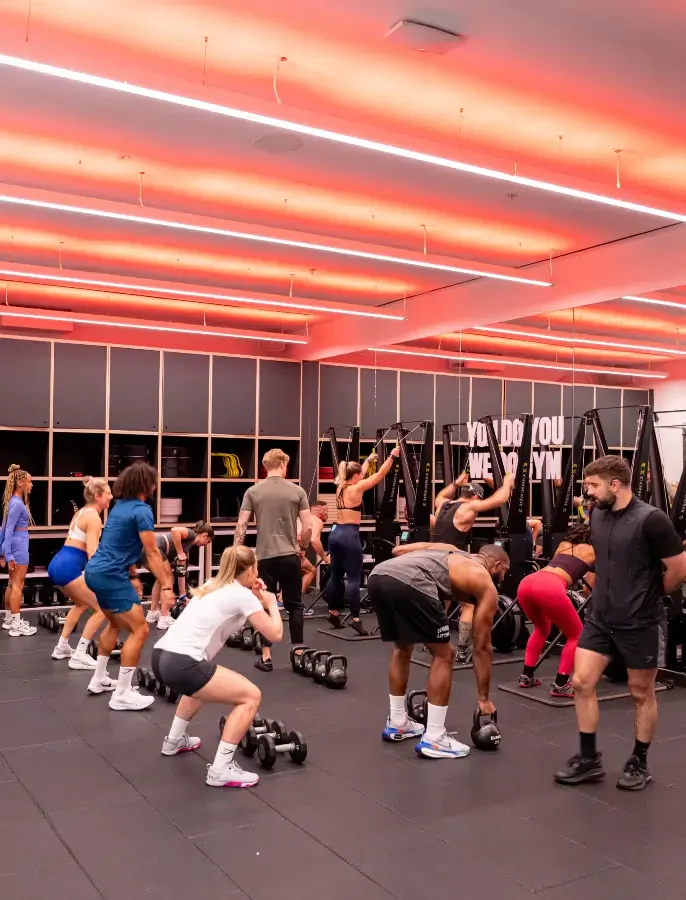
Gymshark stores are designed less like traditional apparel stores and more like community environments tied to gym culture.
And now they are expanding further with Gymshark Lifting Club in Miami.
An actual training-focused environment built around lifting itself.
That’s the strategic shift.
Most apparel brands stop at outfitting the hobby or sponsoring an event.
Gymshark hosts it.
Once people begin associating personal growth with the environments a brand creates,
switching brands becomes emotionally harder.That creates the return loop:
Begin lifting consistently.
Improve physically and mentally.
Associate progress with the environments and people connected to the hobby.
Return to continue the practice.
That’s not apparel loyalty.
That’s identity reinforcement.
____
Here’s the decision Gymshark made
that many apparel brands still avoid.They built around the hobby itself.
Not just the product category.
Gymshark invested in creators.
In events.
In lifting culture.
In places where people train together.Because people rarely stay loyal to clothing alone.
They stay loyal to identities that help structure their lives.
Gymshark understood that lifting isn’t only about aesthetics or performance.
And brands that support those identities build something stronger than hype.
You can chase trends.
Or you can strengthen the practice people already care about.
One creates temporary attention.
The other strengthens identity.
____
If loyalty disappears when the trend fades,
it was never loyalty.Give customers a reason to return:
hobby-driven experiences that make people feel alive.
Explore more
Visit this place:
Buy this product: