#40. Spaces For Cigar Aficionados → Strategy Used by Cohiba®
Listen to the customer retention strategy used by Cohiba®.
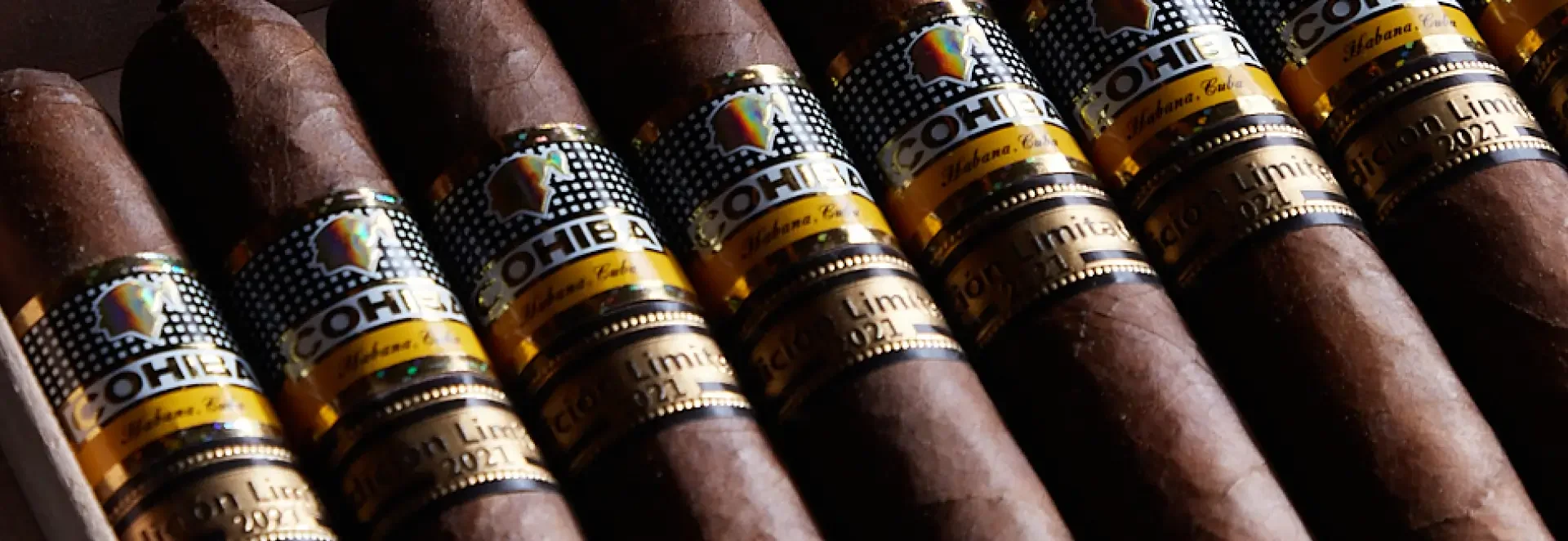
You’ve probably heard of Cohiba, the cigar manufacturer founded in Cuba in 1966.
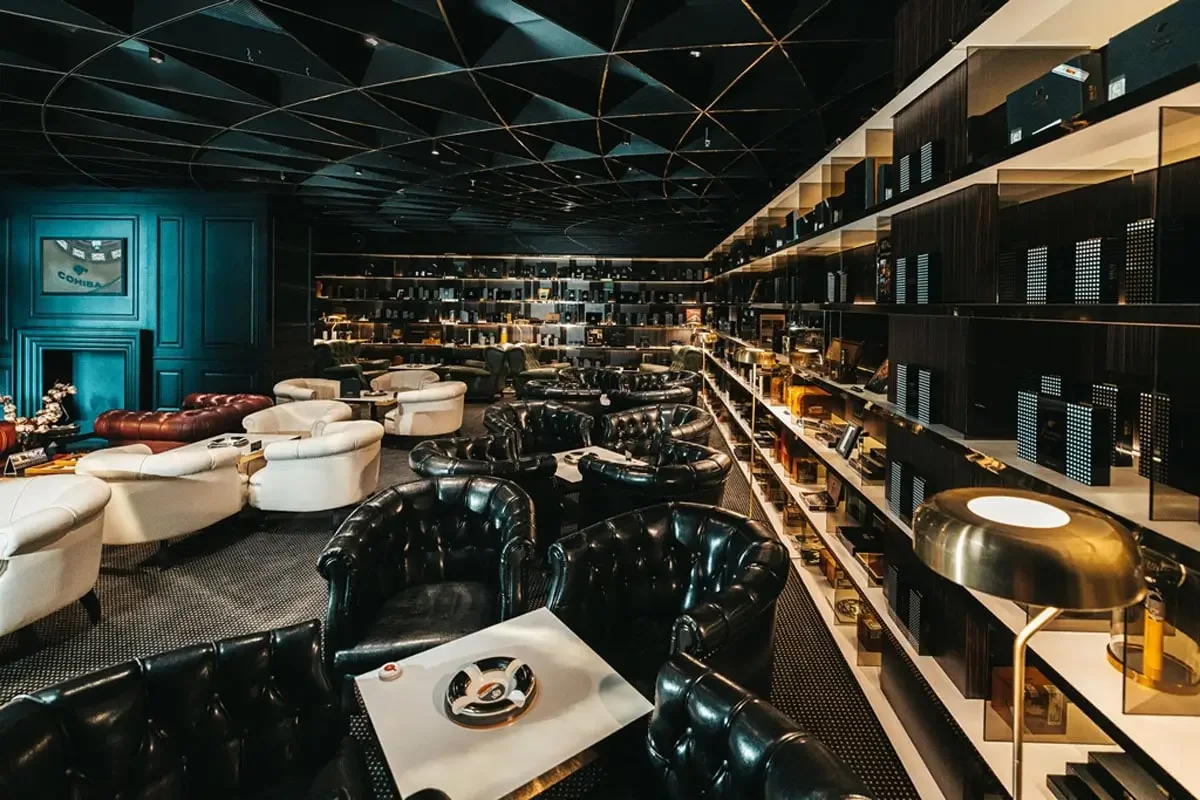
Listen to host André Brathwaite share the backstory of how former president Fidel Castro turned his passion into a lasting brand that uses a customer retention strategy: Hobby-driven experiences, including locations (Cohiba Atmosphere in multiple cities) and activities (El Laguito Cigar Factory Tour).
The opinions expressed are solely those of Forms of Recreation and do not necessarily reflect the views of any brand mentioned. We encourage you to check their corresponding websites for further information.
-
Episode 40
Cigar Smoking As A Hobby → Strategy Used by Cohiba®
____
Most cigar brands compete on origin.
Cohiba took a different path.
They turned cigar smoking into a lifestyle.
They built environments
where people come back
not just to smoke—
but to meet with fellow aficionados,
to taste,
to compare,
to understand.That decision didn’t just create demand.
It created retention.
Because if cigars are just luxury objects,
they would be consumed occasionally
and forgotten quickly.But if cigar smoking becomes a hobby—
people don’t forget.
They go out of their way to experience it.
____
Picture this.
You walk up to your record player.
Choices? Smooth jazz or blues.
You look across the room.
Low light.
A leather chair.A box of cigars.
Time, finally, slowed down after a long day.You don’t rush what is about to happen.
You pick one up.
You cut the cap.
Carefully.You light a match.
You toast the foot. Evenly.You rotate.
You wait.Then you take the first draw.
Too fast,
and the burn overheats.Too slow,
and it goes out.Unlike a cigarette,
Cigar smoke is meant to be savored in the mouth,
not inhaled into the lungs.
You notice:
Earth.
Spice.
Wood.The flavor evolves
as the cigar burns.This hobby asks for attention.
One that does not require you to finish a cigar.
It requires you to experience it.
That belief—
that smoking is a savored experience, not a guilty habit—is exactly how Cohiba was built.
____
In Cuba, in the early 1960s,
Fidel Castro, president of Cuba and notable cigar aficionado, noticed something unusual.
One of his bodyguards
was smoking a cigar
that smelled different.Smoother.
More refined.Fidel asked where it came from.
The answer led to a local artisan:
Eduardo Rivera.
Eduardo had been hand-rolling cigars
privately.Not for mass production.
In small batches.
Fidel tried one.
And immediately understood
the difference.This wasn’t just tobacco.
It was a perfectly balanced piece of craftsmanship.
He asked Eduardo
to produce these cigars exclusively
for him.What followed wasn’t a product launch.
It was a private order.
Eventually, production moved
to the now-iconicEl Laguito Cigar Factory.
Founded by Fidel and his closest confidant, Ceclia Sanchez,
it was the first Cuban factory to train and exclusively employ women as rollers,
A factory she envisioned,
fighting for their presence in a traditionally male-dominated industry.
El Laguito is where high-quality cigars were produced exclusively
for Fidel to give out as gifts to diplomats, dignitaries, and friends.
For nearly two decades Cohibas were not for sale.
Only later
did it become available internationally.____
Here’s what most brands miss.
They sell the object.
Cohiba reinforces the intentional act.
If cigar smoking is the hobby,
you need environments
that protect it.So they built them.
Start with
Cohiba Atmosphere.Private lounges
in multiple cities.Not retail stores.
Spaces designed for time.
Controlled lighting.
Ventilation.
Seating.You don’t rush.
You stay.
You talk.
You compare cigars
with others who understand them.This is social reinforcement.
Then there’s the source:
El Laguito Cigar Factory.
Factory tours.
Not passive walkthroughs.
You observe:
– Leaf selection
– Rolling technique
– Construction precisionYou see how much discipline
goes into a single cigar.All of this creates the return loop:
Learn the language.
Experience proper construction.
Recognize the difference.
Return to refine one’s taste.
While other brands rely on an occasion.
A celebration, perhaps?
Cohiba built a lifestyle.
One that drives repeat behavior
without incentives.____
Here’s the decision Cohiba made
that most brands feared.They valued the experience over the product.
They accepted
that cigars
smoked properly,would outperform
more cigars,
smoked casually.Most brands chase volume.
Cohiba chose lifestyle.
Because once someone learns
how to experience a cigar correctly,they don’t switch easily.
They don’t rush it.
They don’t treat it
like a disposable habit.People return to what identifies them.
You can sell indulgence.
Or you can teach how a lifestyle is practiced.
One creates occasional use.
The other creates customer retention.
____
If loyalty disappears when the smoke stops,
it was never loyalty.Give customers a reason to return:
hobby-driven experiences that make customers feel alive.
Explore more
Globally admired brands are extending beyond the products they make. We at Forms of Recreation help discover handpicked spaces designed for refined hobbyists like you.